Introduction
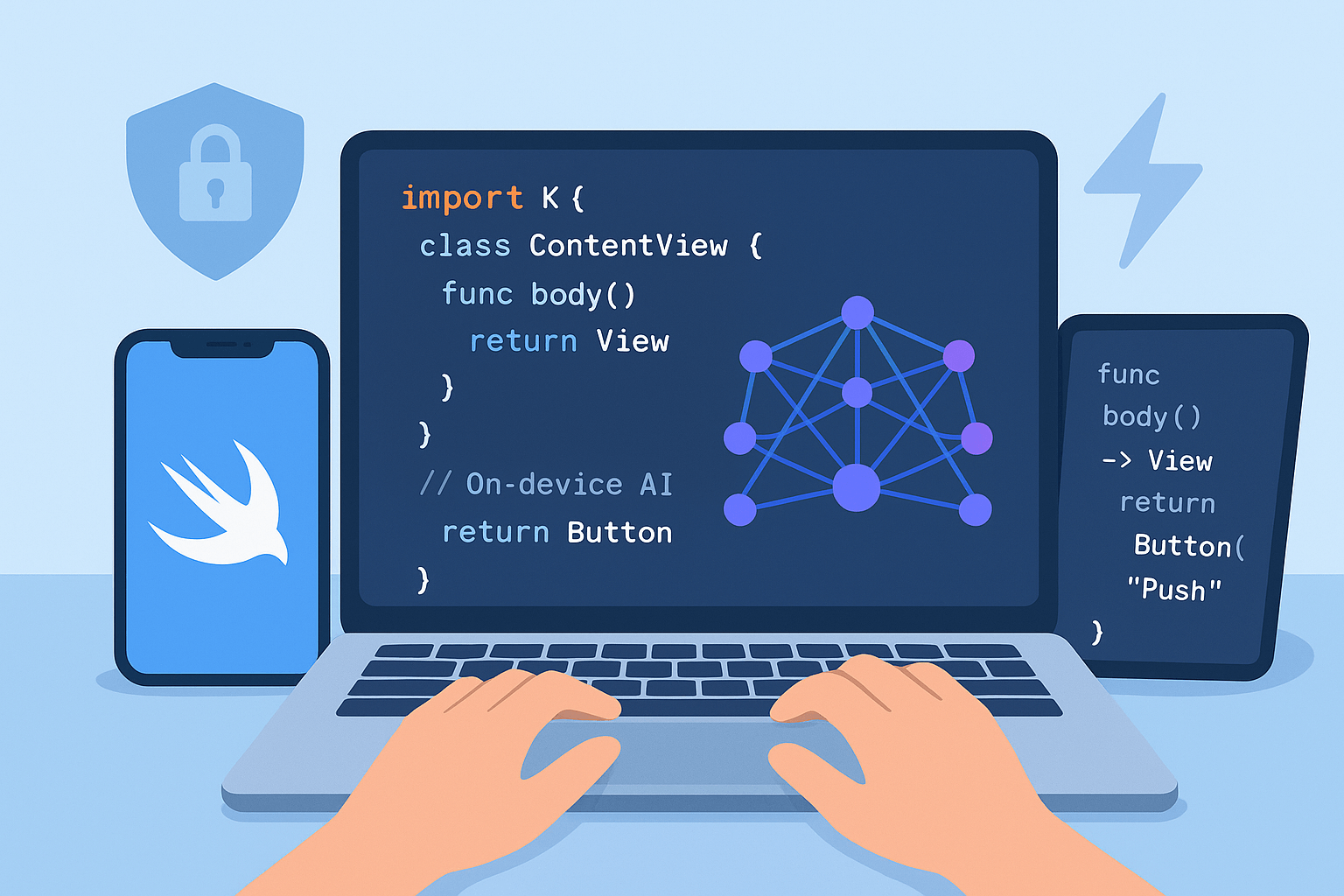
Apple Intelligence is reshaping the way iOS apps work by placing powerful, on-device foundation models right at their core. As an iOS developer, tapping into Apple Intelligence opens the door to building smarter, safer, and more responsive apps that stand out from the crowd. This revolutionary approach matters because it’s not just another AI buzzword—it’s a practical toolkit to elevate every app experience, keep user data private, and create something truly remarkable.
Apple Intelligence: Figuring Out the Fundamentals
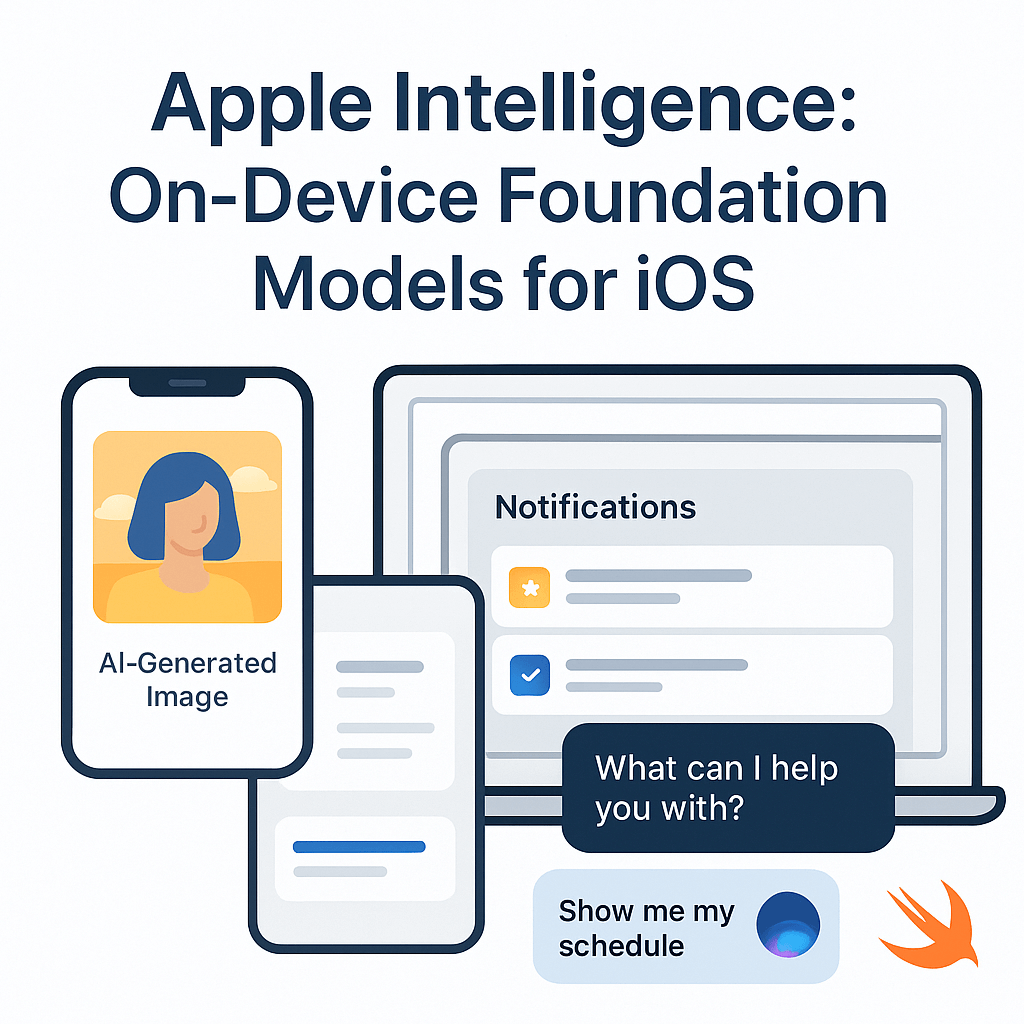
The foundation of Apple Intelligence relies on cutting-edge language and vision models built into iOS, iPadOS, and macOS. Unlike cloud-reliant competitors, Apple’s models often run directly on-device using Apple silicon, delivering rapid responses while ensuring user information stays secure. These models empower everything from smarter notification summaries to creative tools for writing and image interaction—all natively within the Apple ecosystem and accessible by third-party apps.
- Key features include automatic text rewriting, real-time notification prioritization, and visual understanding crossed with personal device context.
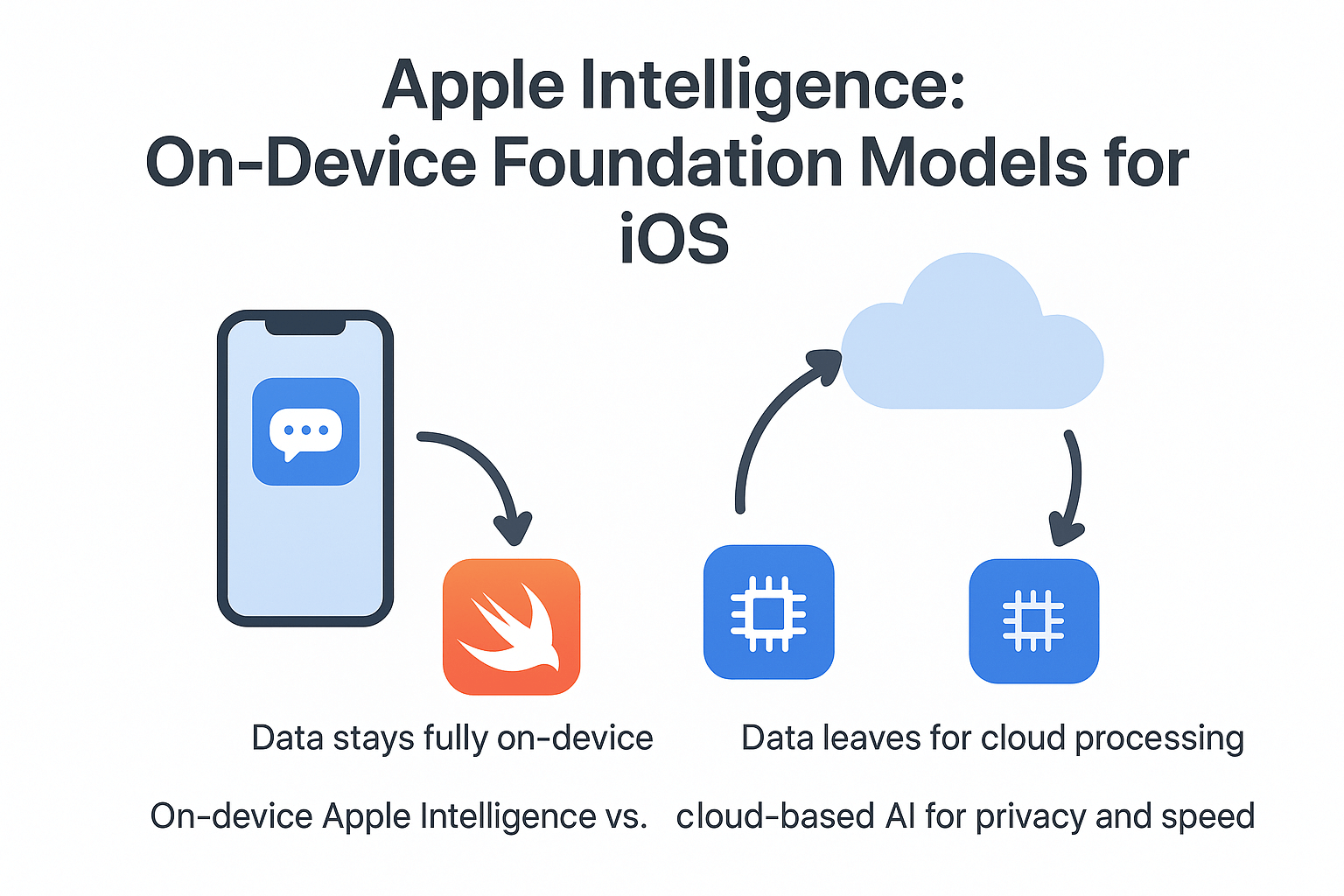
- Privacy is enhanced because processing happens locally, limiting exposure of sensitive data.
- Developers have direct access to these models using Apple’s Foundation Models framework, unlocking intelligent capabilities with just a few lines of Swift code.
Apple Intelligence for Developers: Why Local Models Matter
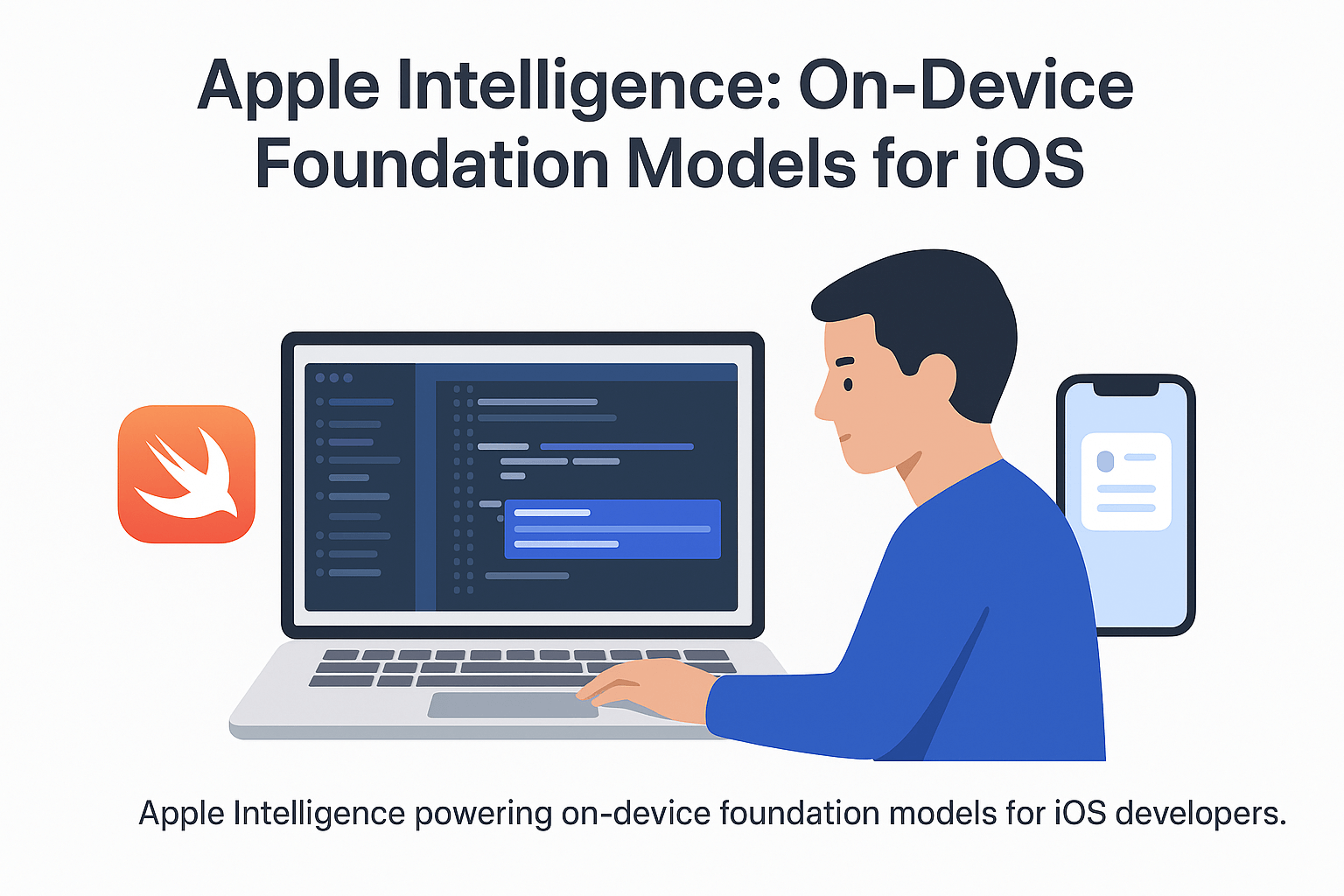
Apple’s on-device foundation models are no longer exclusive to Apple’s own apps—they’re now part of every developer’s toolkit. This empowers you to create app features that are lightning fast, highly personalized, and inherently private.
- API-Level Access: The Foundation Models framework integrates LLM capabilities like guided generation and tool calling directly with Swift.
- Speed and Security: Local computation means instant results and better privacy, ending reliance on server-side AI for key tasks.
- Cross-Device Personalization: Apple Intelligence learns from user behavior, adapting app experiences for each individual across their devices.
Example:
An app using Apple Intelligence can summarize emails, rewrite messages, and prioritize alerts on-device—without sending sensitive content to the cloud.
Apple Intelligence: Foundation Models Framework in Practice
With the Foundation Models framework, iOS developers gain powerful tools for bringing Apple Intelligence into everyday workflows.
Apple Intelligence Guided Generation Made Simple
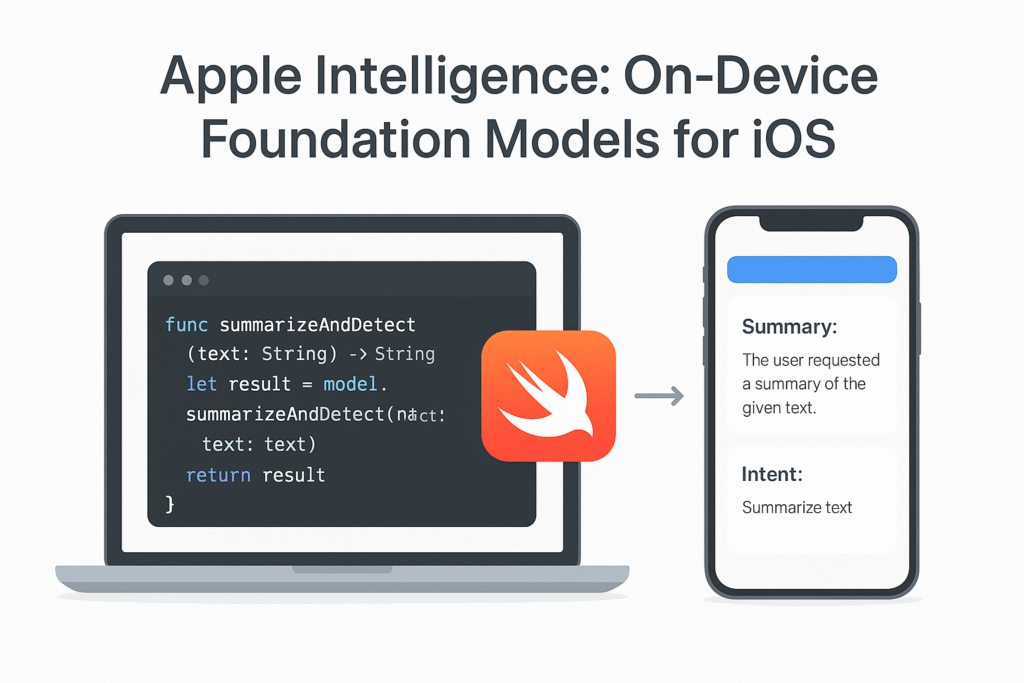
Guided generation helps auto-generate text, summaries, or even structured responses natively in Swift.
import FoundationModels
let result = FoundationModels.generate("Summarize this message...")
- Works seamlessly in apps like Mail, Notes, or custom text-heavy experiences.
- Developers can fine-tune with LoRA adapters or control tool calling behavior for specialized use cases.
Apple Intelligence for Automation and Intent
By integrating Apple Intelligence into App Intents and Shortcuts, apps can automate actions or understand user goals using natural language.
Example:
A task manager can use Apple Intelligence to interpret vague user instructions—like “remind me tomorrow to follow up”—and set reminders with perfect context.
Apple Intelligence Use Cases: Building Outstanding, Personal Apps
Apple Intelligence isn’t just technical—it unlocks emotional and uncommon app moments that wow users.
- Smart Writing Tools: Developers add features like grammar correction, rephrasing, and contextual suggestions that feel magical to users.
- Enhanced Siri and Voice: Siri now understands follow-ups and maintains context, allowing for truly humanlike voice interactions.
- Personalized App Features: Apps automatically learn and adapt, showing relevant actions and content across devices, creating seamless multi-device experiences.
- Image and Emoji Generation: Apple Intelligence enables apps to generate images or emojis that reflect unique user expressions.
Real-World Example:
A journaling app integrates Apple Intelligence to suggest topics, summarize entries, and create custom visuals—all on-device, private, and instant.
Apple Intelligence: Privacy, Security, and Responsible AI
Apple’s tight integration of hardware, software, and AI means that user trust comes first.
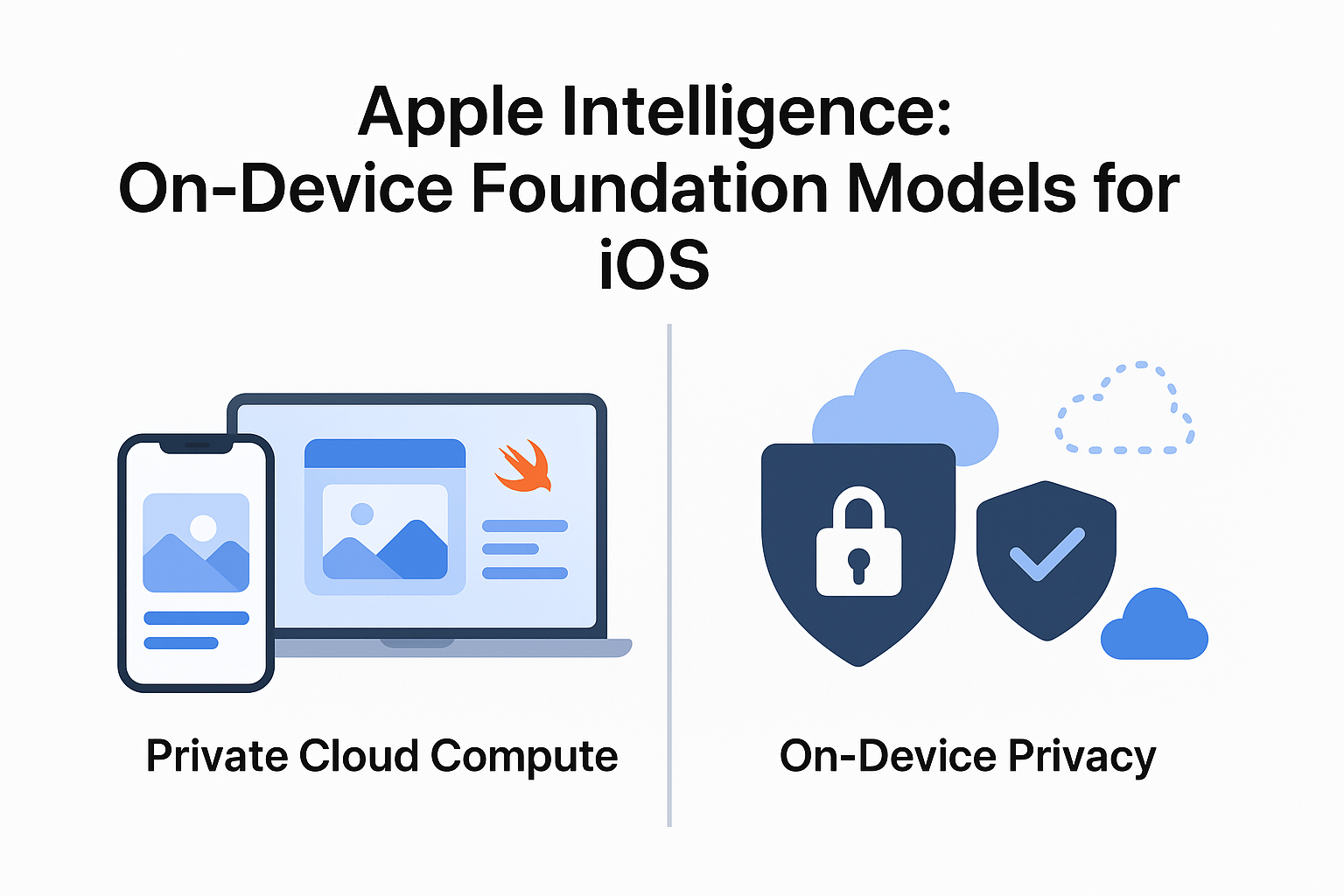
Processing happens directly on Apple devices, supported by Apple’s Private Cloud Compute architecture only when absolutely needed.
- Privacy by Default: Sensitive data remains on-device, setting a new bar for responsible AI use in consumer tech.
- Performance: On-device models are optimized for Apple silicon, with innovations like KV-cache sharing for speed and efficiency, even in multimodal experiences.
- Developer Trust: Safeguards like content filtering and locale-specific evaluation help maintain safe, accurate, and inclusive experiences.
Apple Intelligence + On-Device Foundation Models: The Road Ahead
Apple Intelligence marks a breakthrough for iOS developers, offering tremendous new ways to build apps that are smart, personalized, and secure. Embracing these tools means creating valuable, engaging experiences now—and preparing for even greater advancements as Apple’s AI continues to evolve.
Explore tutorials on Swift integration with Apple Intelligence, learn more about memory management strategies, and join the movement for privacy-first AI development over at idiotswithios.com.
Key Takeaways
Apple Intelligence with on-device foundation models is the future for innovative, privacy-first app experiences in iOS development. Start building now—and stay ahead of the curve.
Ready to transform your app?
Subscribe for iOS AI guides, read Swift tutorials at idiotswithios.com, or share this post!
